(267) 778-9143
Blog

Publication date: March 10, 2026
Seasonal changes always affect daily life and create different risks. In winter, ice and snowstorms can cause falls, power outages, and delays in help. In the spring, rainfall makes roads and sidewalks slippery. In the summer, heat requires constant fluid replenishment and cooling measures to reduce the risk of dehydration. In the fall, daylight hours shorten, and the weather becomes unpredictable, making travel unsafe. In this article, we will discuss winter safety for elderly.
With age, the body has a lower tolerance for extreme temperatures, shorter daylight hours, and exposure to allergens. The ability to regulate heat decreases, increasing the risk of heat stroke in summer and hypothermia in winter.
The change of seasons affects mood and energy levels. In winter, decreased daylight hours can lead to decreased energy and seasonal distress, while in spring, high pollen levels can make breathing difficult. Preparing in advance can help reduce the impact of these factors and maintain wellness.
When preparing for winter, consider the seasonal safety tips for seniors. It pays to keep your home tidy, take care of your health, and discuss plans in advance with loved ones or caregivers. Particular attention should be paid to heating and ventilation, carbon monoxide protection, and winter medication management. Ensure safe entrances and exits to and from the home, and have a plan of action in case of inclement weather or travel restrictions. Thoughtful communication methods and back-up transportation will help you remain confident and calm in all conditions.
Winter conditions increase the risk of injury. Ice and snow make surfaces slippery, so it is important to choose shoes with good traction. Driveways and paths should be cleaned regularly to reduce the risk. When moving around, it is better to hold on to handrails and, if necessary, use a cane or walker with anti-slip attachments. In heavy ice, it is safer to stay indoors and only go out when absolutely necessary.
Older people react more strongly to the cold because their bodies are less efficient at retaining heat. To avoid hypothermia, dress in layers and protect your head, arms, and legs. The house should be kept at a stable, warm temperature that is comfortable. Electric blankets can be used, but only strictly according to the instructions. Warm drinks and nutritious food help to conserve energy and maintain a normal body temperature.
Spring is characterized by unpredictable weather. Take care not to get into trouble during this period. Especially since it’s not that hard to do.
Spring pollen can cause allergic reactions and make breathing difficult. Take simple steps to reduce its effects:
This will help reduce exposure to allergens and make being outside safer and more comfortable.
You have to stick to senior home safety by season, too. There are diseases that occur due to heat. The good news is that they are preventable, so always take charge of your health and wellness.
The summer heat is especially dangerous for the elderly. The sun is at its most intense during the midday hours, so it is better to plan walks for the morning or evening, when it is cooler and safer. Follow these tips:
Many older people do not feel very thirsty, so it is important to drink small sips throughout the day. To make the water more pleasant, you can add lemon, cucumber, or berries.
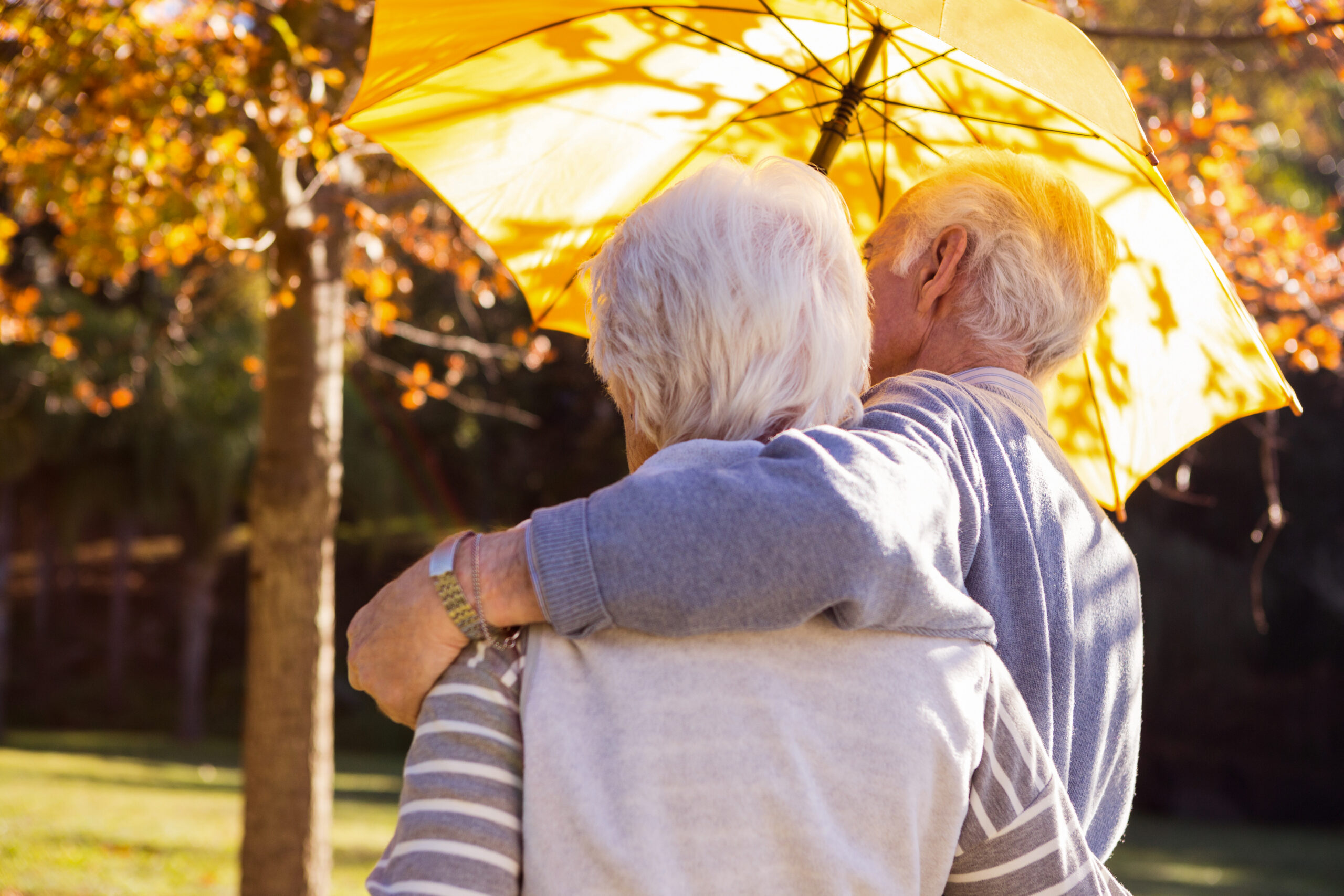
Fall prevention during seasons makes it possible to avoid injuries and troubles. Safety should come first, so take care of yourself.
Ensure good lighting in the house. To reduce the risk of falls and injuries at home, space should remain uncluttered and safe. It is best to keep all items, especially small and inconspicuous ones, in order so that nothing obstructs the passage.
An older person’s body reacts differently to medications than a younger person’s, and some medications increase sensitivity to heat or cold. Healthy nutrition helps maintain immunity. With any changes in health, it is best not to delay seeking medical attention to maintain stability and avoid complications.
There’s a myth that you should only pay attention to elderly cold weather precautions. Forget it. Monitor the senor’s condition regularly. Change your safety plan according to your needs, and always listen to their opinion.
To have a comfortable home, you need to get rid of anything that could harm you. If the seniors cannot manage on their own, have a loved one or a caregiver help them.
| Regular Home Safety Checks | What It Gives |
| Check electrical wiring and outlets | Reduce risk of fire and short circuits |
| Test smoke and carbon monoxide detectors | Early warning of danger |
| Inspect heating and cooling systems | Stable temperatures and prevent accidents |
| Check locks, doors and windows | Protect against entry and keep you comfortable |
| Check stairs and handrails | Reduce risk of falls |
| Inspect floors and carpets | Eliminate slippery or hazardous surfaces |
A person who cares for their relatives can burn out if they don’t take time for themselves. Contact a caregiver to share responsibilities. She will provide quality care, making life easier for all parties.
Conscious preparation for seasonal challenges is key to keeping older adults healthy and safe. Awareness helps to recognize weather risks in advance and reduce their impact. By taking thoughtful measures, you can make each season more comfortable and live it with confidence, without fear of unexpected complications.
How to remember to do regular safety checks?
Don’t rely on your memory. To make it easier to monitor your safety, set constant reminders on your phone.
How can the senior be helped by a caregiver?
She knows how to properly care for older people, has patience, and knowledge of how a home should be set up.
What should be on hand at all times for safety?
These are the necessities of life. They include a first-aid kit, perishable food, and, in some cases, a panic button.
What are the rules to follow in the kitchen?
Plan storage for items you use daily. They should not be too high or too low. Be careful with anything hot.
Why do some people not adhere to safety rules?
Not everyone follows safety precautions until an accident happens. It pays to have the foresight to avoid problems.

Inspiring you to live independently