(267) 778-9143
Blog

Publication date: April 2, 2026
Aging is a natural process that affects the condition of the skin. Over time, pigment spots, wrinkles, and bags under the eyes appear. It is impossible to stop the passage of time, but there are skin care tips for elderly people that allow you to keep your skin healthier and maintain its youthful appearance.
With age, the skin gradually loses elasticity and becomes more fragile, increasing the risk of bruising. Elderly skin protection is important for older people, as it helps reduce the risk of damage and protects against irritation and infection. Even small cracks, dryness, or scratches can become entry points for germs.
Older people are more likely to develop infections such as cellulitis or fungal diseases, including foot fungus and candidiasis. A weakened immune system makes the body less resistant: infections spread faster, and the healing process takes longer.
The aging process causes noticeable changes in the skin, affecting its structure and functions. These transformations are caused not only by internal biological mechanisms, but also by external factors such as lifestyle and environmental influences.
The skin is constantly renewing itself: cells are born, perform their tasks, and give way to new ones. This cycle slows down over time, and the skin is also subject to age-related changes. Whereas this took about a month before, it can now take up to 45 days or more. As a result, dryness, thinning, and deterioration of texture appear.
The main consequences of reduced elasticity are:
Wrinkles become more noticeable when the skin loses its elasticity, which usually occurs between the ages of 30 and 40.
With age, cellular metabolism slows down. Energy levels decrease, and the skin regeneration process takes longer. The epidermis gradually thins, and sebum production decreases. The protective lipid film breaks down, and the skin loses moisture faster.
Lack of moisture manifests itself in enlarged pores, a dull complexion, and fine wrinkles. Without care, it leads to more serious problems that are more difficult to fix. Dehydrated cells lose their strength, and the skin becomes thin and weak.
Cell renewal slows down, and old cells remain on the surface longer. This makes the skin rough and uneven.
When internal structures weaken, the skin loses density and volume. It becomes more sensitive and reacts more strongly to external irritants. On the face, this can manifest as itching, tightness, or rashes.
Skin aging is influenced by various factors: lifestyle, diet, heredity, and habits. Smoking, for example, accelerates this process and makes the skin more vulnerable.
The main source of damage remains the sun. Ultraviolet rays destroy elastin, causing the skin to lose its elasticity, wrinkles and spots to appear, and the risk of serious diseases to increase. Additional causes include:
All these factors gradually change the structure of the skin and its appearance.
Proper care includes choosing the right dry skin remedies for seniors and being consistent with them. You need to monitor your skin’s condition and avoid activities that could harm it. In the long run, by following these principles, you will notice how much your wellness and appearance have improved.
Scented soap may seem pleasant, but synthetic additives often cause irritation and unnecessary risks. Unscented products provide better skin care and cleanliness.
This choice helps reduce exposure to chemicals and is suitable for sensitive skin. It provides gentle cleansing, is safe for all ages, and creates a feeling of comfort.
Using unscented soap makes skincare more conscious and supports skin health by maintaining its natural balance and freshness.
Many people think that hot showers moisturize the skin, but in fact, they can strip it of its natural oils and increase dryness.
Moisturizers help replenish lipids and moisture lost after cleansing. They form a protective barrier, retain moisture, and reduce the impact of the external environment. This type of care is especially important for maintaining healthy skin and can be part of a well-thought-out senior skincare routine aimed at preserving comfort and natural balance.
Washing your face with cold water can give you a short-term feeling of freshness, but extreme temperatures often damage the skin. Water that is too hot destroys the natural barrier, increasing dryness and irritation. Water that is too cold can stress the skin, though it can sometimes help reduce swelling and stimulate blood flow. Warm water is considered the best option, as it cleanses gently without upsetting the skin’s balance.
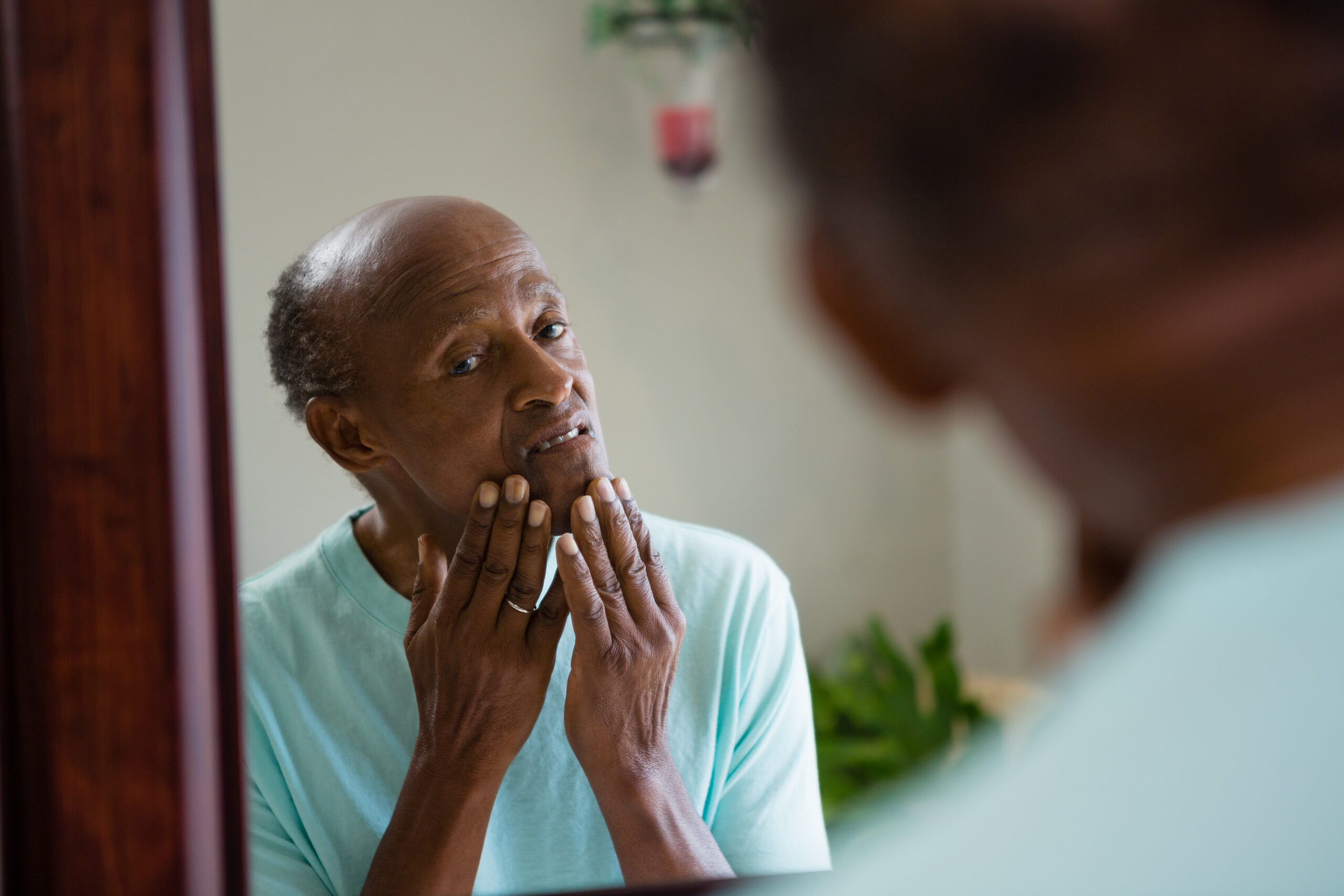
Proper skincare for aging skin can benefit its health and appearance. Skincare routines vary depending on skin type, but there are a few basic tips that apply to everyone.
| Factor | Why It Matters | Simple Tip |
| Hydration | Water maintains skin elasticity and health | Drink enough fluids throughout the day |
| Cleansing
|
Harsh cleansers dry out the skin | Use gentle sulfate-free cleansing gels |
| Moisturizing | Cream restores the lipid barrier | Apply moisturizing cream immediately after washing |
| Environment | Dry air increases irritation | Install a humidifier at home |
| Sun Protection | UV rays damage cells | Use cream with SPF even in winter |
Nutrition directly affects skin condition and overall health. A balanced diet helps maintain freshness and slows down the aging process.
Antioxidants protect cells from free radicals. Berries, dark chocolate, spinach, and nuts support youthfulness and give the skin a glow.
Vitamins A, C, and E are essential for repair and elasticity. Carrots, oranges, sweet potatoes, and almonds strengthen the skin and stimulate collagen production. Regular water consumption helps maintain hydration, supports toxin elimination, and supports the skin’s natural balance.
To prevent negative consequences, it is best to seek professional help in advance. Get diagnosed, remember to practice proper skin hygiene, and monitor any changes. If you develop skin problems, do not delay visiting a doctor.

Inspiring you to live independently