(267) 778-9143
Blog

Publication date: June 14, 2026
Staying active doesn’t require a gym membership or a fitness instructor. For older adults living in Pennsylvania and beyond, building a consistent movement habit at home can make a meaningful difference in daily life. If you or a loved one is looking to feel stronger and more confident, these exercise routines for seniors are a great place to start. For seniors who may need extra encouragement or hands-on support, Inspire Home Care’s senior care services can help make an active lifestyle more achievable.
Regular movement keeps joints flexible, muscles strong, and circulation healthy. For older adults, even 20 to 30 minutes of gentle daily activity can lower the risk of falls, support a healthy weight, and improve overall energy levels.
Consistent movement also helps manage common age-related concerns such as joint stiffness and reduced stamina. The key is choosing activities that match your current ability — and building from there. Many older adults benefit from functional exercise routines for seniors because these movements support balance, coordination, and everyday mobility.
Exercise isn’t just about the body. Physical activity releases natural mood-lifting chemicals in the brain, helping reduce feelings of stress, anxiety, and loneliness. Many seniors report feeling more alert, more positive, and more engaged with life when they move daily.
Social connection plays a role here, too. When a caregiver or family member joins in or encourages activity, it turns exercise into a shared experience. Companion care services from Inspire Home Care can provide the encouragement and companionship that makes staying active feel less like a chore and more like a highlight of the day.
Many seniors hesitate to start a fitness routine because they feel limited by small living spaces or physical restrictions. The truth is, most effective exercises for older adults require only a chair, a wall, or a few feet of open floor.
Adapting routines to your environment and ability is not a compromise but smart planning. Start slow, focus on comfort, and always prioritize safety over intensity.
Before beginning any new routine, take an honest stock of how your body feels day to day. Note any areas of pain, stiffness, or instability. If you have a chronic condition or recent injury, speak with a healthcare professional before starting.
Begin with shorter sessions — even 10 minutes—and gradually increase duration as your strength and confidence grow. Listening to your body is the most important fitness habit you can develop.
Choose a space in your home that is free of clutter and has a sturdy surface nearby for balance. A non-slip mat on the floor adds traction and cushioning during stretches and floor exercises.
Good lighting is essential. Make sure the area is well-lit so you can see clearly and move with confidence. Keep water nearby and wear comfortable, supportive footwear indoors.
Every session should begin with 5 minutes of gentle stretching. Neck rolls, shoulder shrugs, ankle circles, and seated forward bends wake up the muscles and prepare joints for movement.
Flexibility exercises are among the most effective exercise routines for seniors because they reduce stiffness, improve posture, and lower the chance of straining a muscle during more active movements. Hold each stretch for 15 to 30 seconds and breathe steadily throughout. Many healthcare professionals consider these movements among the best exercise routines for seniors because they help maintain mobility and reduce the risk of injury.
Balance training is a top physical priority for older adults. Simple exercises like standing on one foot while holding a chair, heel-to-toe walking along a straight line, or shifting weight side to side strengthen the stabilizing muscles around your ankles and hips.
Practice balance exercises daily, even for a few minutes. Over time, these movements build coordination and muscle memory that help prevent dangerous falls.
You don’t need weights to build strength. Full soup cans, water bottles, or resistance bands from most pharmacies work well for gentle strength training. Bicep curls, overhead presses, and side lateral raises can be done from a seated or standing position using these items.
Strength exercises preserve muscle mass and make daily tasks like lifting groceries or getting up from a chair easier. Aim for two or three sets of 10 repetitions, two to three times per week.
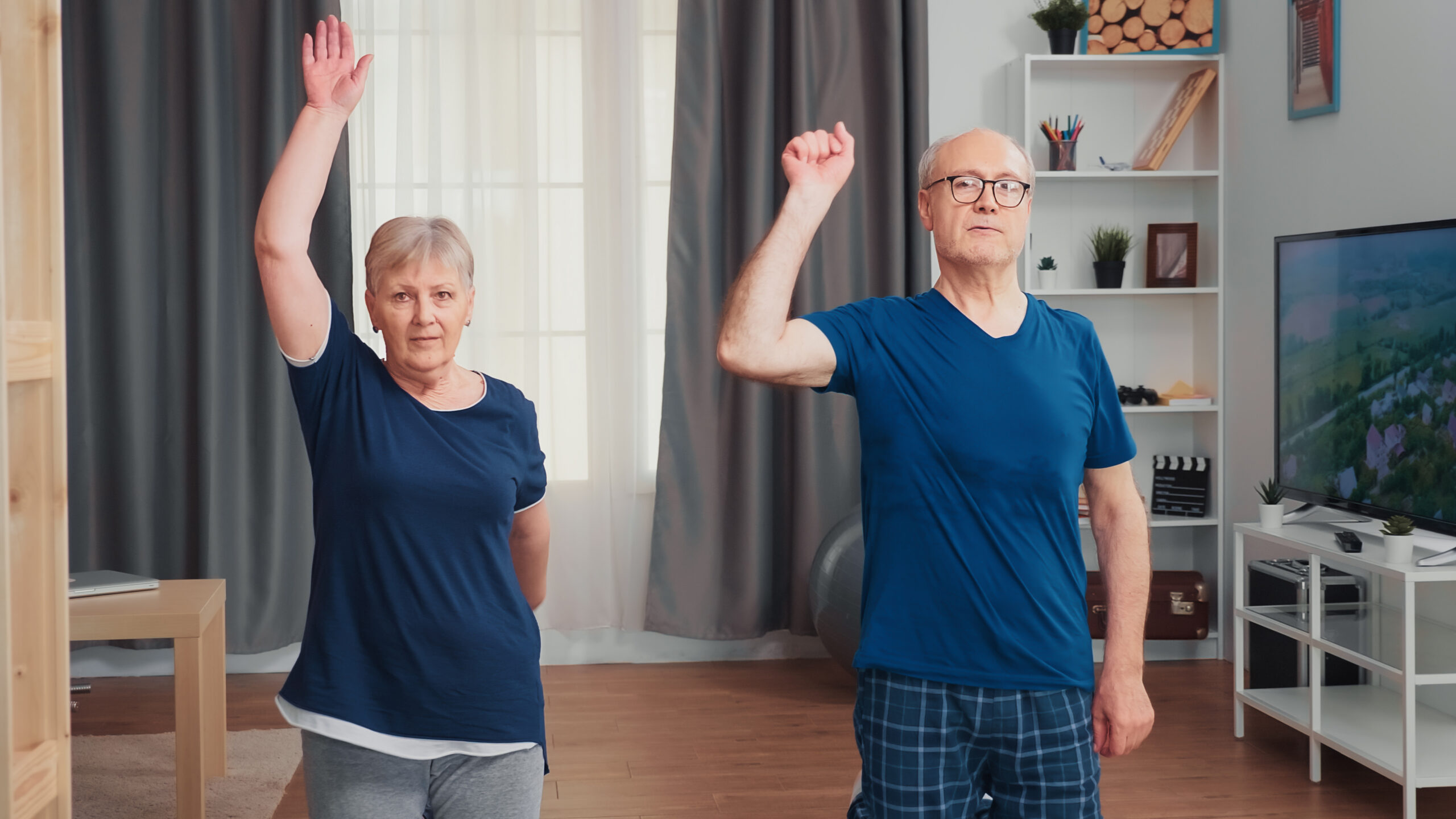
For seniors with limited mobility, seated exercises offer a safe and effective alternative to standing routines. From a sturdy chair, you can perform seated marching (lifting alternating knees), leg extensions, seated torso twists, and arm circles.
These movements improve circulation, strengthen the core and legs, and maintain range of motion without stressing joints. Seated workouts are an excellent starting point for seniors returning to activity after rest or recovery.
Light cardio keeps the heart and lungs working efficiently without overexertion. Marching in place, stepping side to side, or following along with a low-impact chair aerobics video are all accessible options for home use.
Aim for 10 to 20 minutes of gentle cardio most days. Even short bouts of movement throughout the day count toward your daily activity goal and support endurance over time.
Rest is a natural and necessary part of any fitness routine. If you feel sharp pain, unusual dizziness, or shortness of breath during exercise, stop immediately and let your body recover before trying again.
Some days, rest is the right choice, especially after illness, poor sleep, or a very active day. However, if discomfort persists or you notice a significant decline in your ability to move comfortably, consult a healthcare professional promptly.
A home care team can help monitor your activity level and support your routine on difficult days. Consistent, reliable support at home removes many barriers that prevent seniors from staying active week to week.
How often should seniors exercise at home?
Most older adults benefit from at least 150 minutes of moderate activity per week, spread across most days. Even 20 to 30 minutes daily makes a noticeable difference in strength, balance, and mood.
What is the safest workout for seniors with joint pain?
Seated exercises, gentle stretching, and water-based routines (if accessible) are excellent for seniors with joint pain. These low-impact options keep joints moving without adding pressure or friction.
Can seniors build muscle at home without equipment?
Yes. Bodyweight exercises like chair stands, wall push-ups, and seated leg lifts build meaningful muscle strength. Adding light household items as resistance increases the challenge safely.
How do I know if an exercise is too hard for me?
If you cannot hold a conversation while exercising, feel pain rather than mild effort, or feel unstable at any point, the exercise is likely too intense. Reduce the range of motion, slow down, or switch to a seated version.
How can a home caregiver help with my exercise routine?
A caregiver can encourage daily movement, help set up a safe exercise space, and provide steadying support during balance exercises. At Inspire Home Care, our compassionate caregivers are trained to support your independence at home.

Inspiring you to live independently