(267) 778-9143
Blog

Publication date: July 21, 2026
Loneliness is one of the most overlooked health risks facing older adults today. A growing body of research shows that senior loneliness is closely linked to serious physical and mental health problems, from depression to heart disease. For families across Pennsylvania, understanding why loneliness happens — and how to help — can make a real difference in a loved one’s daily life and long-term wellbeing. At Inspire Home Care, our senior care services are built around this simple goal: helping older adults stay connected, safe, and independent at home.
Loneliness among seniors rarely has a single cause. As people age, their social circles often shrink. Retirement removes daily interaction with coworkers, adult children may move away, and the loss of a spouse or close friends can leave a lasting gap in everyday connection. Reduced mobility, hearing or vision changes, and health conditions can also make it harder to stay engaged with others, leading to a smaller world and fewer chances for interaction.
So what does home isolation for seniors mean in practical terms? It often looks like days spent mostly alone, fewer visitors, and a shrinking routine of activities outside the home — changes that can happen so gradually that families do not notice right away.
Loneliness is not just an emotional experience — it has measurable effects on health. Understanding these senior loneliness problems is the first step toward addressing them, and consistent companionship plays a meaningful role in protecting both mental and physical wellbeing.
People who feel persistently lonely are significantly more likely to experience depression than those with strong social ties. Isolation can also contribute to anxiety, low mood, and a loss of motivation for daily activities. This connection between isolation and mental health is well documented: global health researchers have found that lonely individuals are about twice as likely to develop depression as those who feel socially connected.
Loneliness does not only affect mood — it is tied to real physical health risks as well. Ongoing isolation has been associated with a higher likelihood of heart disease, stroke, and faster cognitive decline. Worldwide, health researchers now consider loneliness a serious public health issue, estimating that it affects roughly one in six people globally and contributes to a significant number of early deaths every year. Among older adults specifically, social isolation is believed to affect as many as one in three.
Loneliness can be easy to miss, especially when a senior lives alone or downplays how they are feeling. Family members and caregivers are often in the best position to notice small shifts in mood, communication, or daily habits before they become bigger concerns.
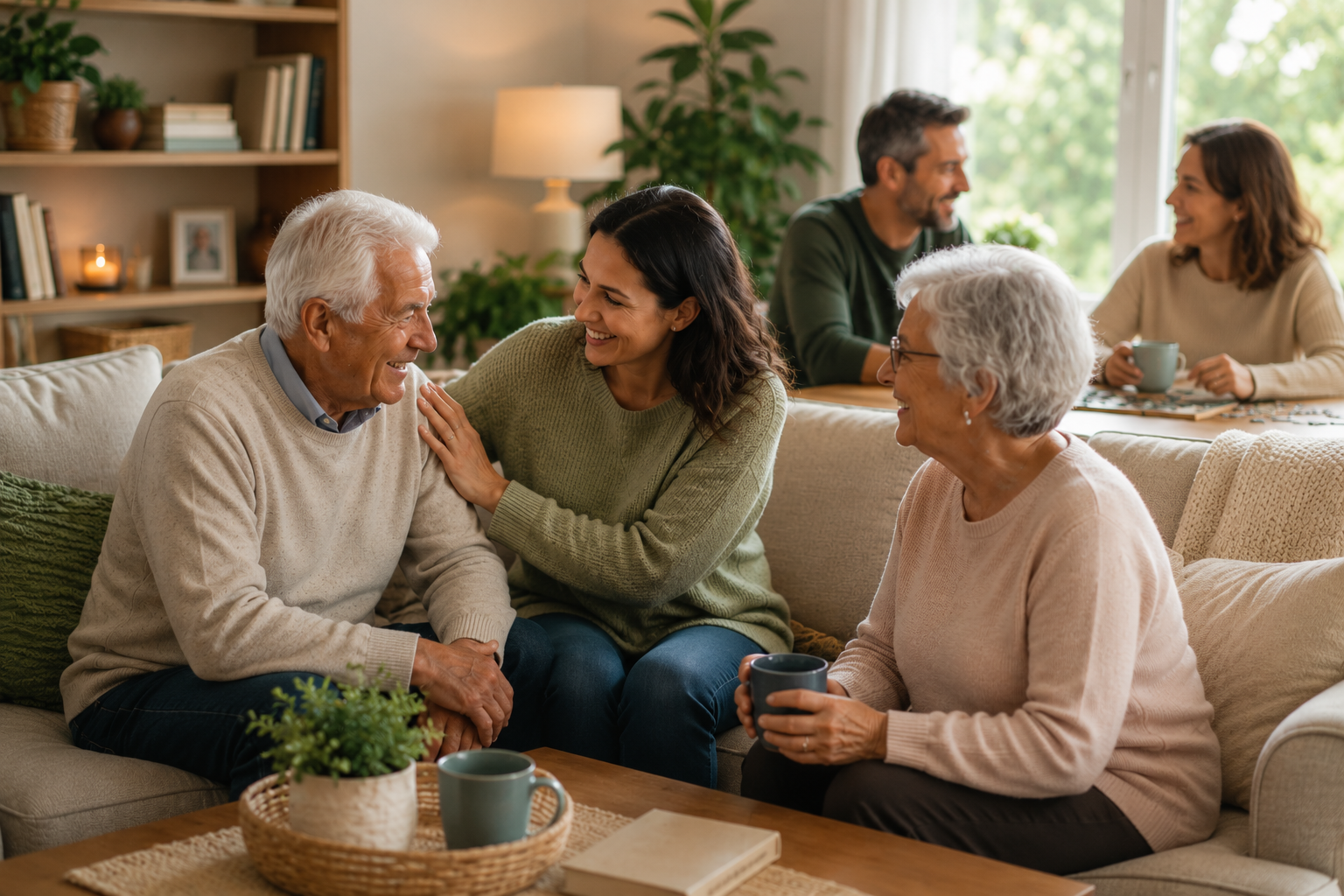
The good news is that senior loneliness solutions do not have to be complicated. Small, consistent efforts to build connection and engagement can have a lasting impact on a senior’s outlook and overall wellbeing.
Consistency matters more than grand gestures. A senior who knows they will hear from someone or see a familiar face on a predictable basis tends to feel more secure, included, and emotionally supported.
Senior loneliness is a widespread and serious issue, linked to higher risks of depression, anxiety, and cognitive decline. It often develops gradually, driven by life changes like retirement, loss of a spouse, or reduced mobility, and can be easy for families to miss. Recognizing the warning signs early — withdrawal, mood changes, and slipping daily routines — allows families to respond with meaningful outreach, community engagement, and companionship before isolation deepens.
Inspire Home Care provides non-medical home care and companionship for seniors and families throughout Philadelphia, Bucks, Montgomery, Chester, Delaware, and Berks counties. Our background-checked caregivers offer personalized care plans, regular companionship, and support with daily routines, with availability 24/7. Call 215-576-CARE (2273) to schedule a free in-home consultation with our licensed and insured team.

Inspiring you to live independently